If you're a brand selling on Amazon, your storefront is the closest thing you have to owning real estate on the platform. It's a dedicated, multi-page shopping destination where you control the layout, the imagery, the messaging, and the customer experience — something you don't get anywhere else on Amazon.
At Lab 916, we've built and optimized Amazon storefronts for brands generating over $250 million in combined Amazon revenue. We've seen what separates storefronts that actually drive sales from the ones that sit there collecting dust. This guide covers everything: what an Amazon storefront is, how to create one from scratch, how to design it so it converts, and the strategy behind making it work as a real sales channel.
What Is an Amazon Storefront?
An Amazon storefront (also called an Amazon Brand Store) is a free, customizable multi-page shopping experience within Amazon that's exclusive to brands enrolled in Amazon Brand Registry. Think of it as your brand's own mini-website inside the Amazon ecosystem.
Unlike a standard product listing page where you're competing for attention with other sellers, your storefront is entirely yours. No competitor ads. No third-party offers. Just your brand, your products, and your story. Customers can browse your full catalog, explore different product categories, and get a feel for your brand — all without leaving Amazon.
Every storefront gets its own URL (amazon.com/yourbrandname), which means you can drive external traffic to it from social media, email campaigns, or your own website. It's also where Sponsored Brands ads can send shoppers, making it a critical piece of your advertising strategy.
Amazon Storefront vs. Influencer Storefront
There's an important distinction to make here. When people search for "Amazon storefront," they're often looking for one of two very different things.
A brand storefront (what this guide covers) is for companies selling their own products on Amazon. You need Brand Registry, and the storefront showcases your product catalog with a custom layout. This is a sales and branding tool for businesses.
An influencer storefront is part of the Amazon Influencer Program, where content creators curate lists of products they recommend and earn commissions on purchases. Influencers don't need to sell their own products — they're recommending other people's products and earning affiliate income.
If you're a brand looking to build your Amazon presence, keep reading. If you're a content creator looking to set up an influencer page, the Amazon Influencer Program has a separate application process with its own follower requirements and approval criteria.
Lab 916 has beat out every other Amazon agency I've worked with in the past 10 years. We consider them part of our team.

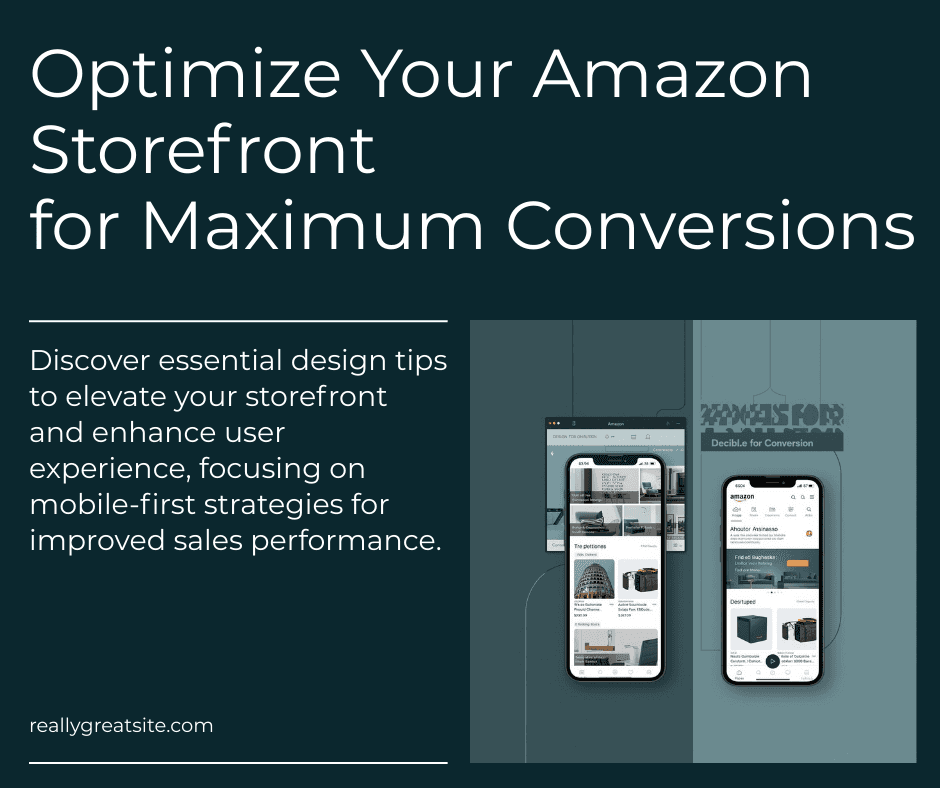
Example of a Lab 916-built Amazon storefront
Amazon Storefront Requirements
Before you can create a storefront, you need to meet a few prerequisites.
Amazon Brand Registry is the most important requirement. You must have an active, registered trademark and be enrolled in Amazon's Brand Registry program. This is non-negotiable — without Brand Registry, you cannot access the storefront builder.
A Professional Seller account ($39.99/month) is required. Individual seller accounts don't have access to storefront features.
Active product listings should already be live on Amazon. While you can technically build a storefront without listings, there's no point — the storefront exists to showcase and sell your products.
The good news: there's no additional cost to create a storefront beyond what you're already paying for your Professional Seller account. The storefront builder and hosting are completely free.
How to Create an Amazon Storefront
Setting up your storefront involves four phases: accessing the builder, planning your structure, building your pages, and submitting for review. Here's the step-by-step process.
Step 1: Access the Store Builder
Log into Seller Central and navigate to Stores > Manage Stores. If you're enrolled in Brand Registry, you'll see the option to create a store for your registered brand. Click "Create Store" and select the brand you want to build for.